
One of the biggest challenges in modern nutrition is not the lack of information but the lack of clarity. Most consumers today aren’t prepared to decode the ingredient lists found on the back of food packages. This knowledge gap is especially damaging when it comes to added sugars, which can be listed under dozens, sometimes of different names.
By now, most of us are well aware of the health risks associated with sugar consumption. Many of us are also looking to change our food consumption habits toward a healthier lifestyle. Intuitively, when looking for sugar-free options, we search for products where “sugar” does not appear in the ingredient list, or ideally, where “0 sugar” is explicitly stated. In the worst-case scenario, we encounter an endless list of ingredients with no idea what they are or what their impact on our health might be.
Understanding how to read labels through the lens of sugar is one of the most powerful steps consumers can take toward making informed food choices.
In his book Metabolical, pediatric endocrinologist Dr. Robert Lustig argues that sugar is not merely a “calorie source”- it is a metabolically active compound with documented roles in liver fat accumulation, hypertension, inflammation, addictive behaviors, microbiome disruption, and metabolic disease. His research shows that sugar’s toxicity lies not simply in the amount we consume, but in how deeply it is embedded in the processed food environment.
Why Sugar on Labels Is So Hard to Identify
Manufacturers have strong incentives to hide added sugars in processed foods. Sugar is cheap, palatable, and strongly reinforces over-consumption. Lustig describes how sugar is deliberately added to baby foods, cereals, sauces, breads, and even savory snacks to increase preference and repeat purchasing. In fact, infant and toddler products often contain multiple forms of sugar, including those not obvious to parents.
Worse, the industry uses hundreds of alternative names for added sugar to make it harder for consumers to recognize it. Lustig cites the shocking statistic that there are about 262 different names for added sugar in commercial baby foods alone.
Meanwhile, the FDA’s ingredient labeling system lists ingredients in order of weight, but dividing sugar into multiple names allows manufacturers to push each name lower down the list, making the product appear less sugar-dense than it is.
Sugar by Chemistry: The Three Families You Need to Know
To understand labels, consumers need an easy follow-up guideline: most added sugars fall into three chemical categories.
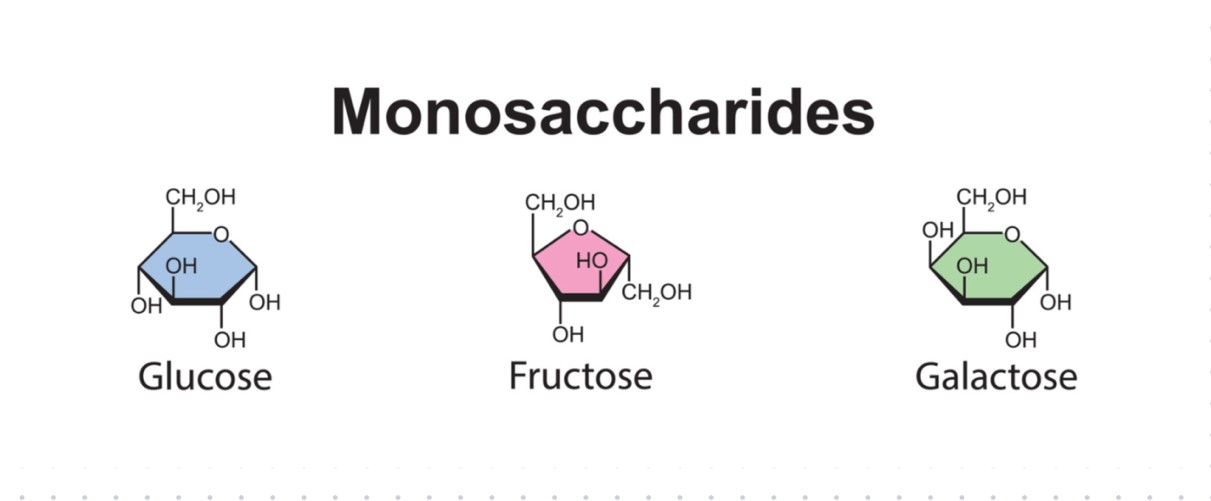
1 – Monosaccharides (single sugars)
These are the simplest sugars and most rapidly absorbed.
- Glucose- the body’s primary fuel, it spikes blood sugar.
• Fructose- metabolizes only in the liver. Drives liver fat, insulin resistance, hypertension, and oxidative stress.
• Galactose – found mostly in milk. Biologically important for infants.
Common label names are glucose, dextrose, fructose, fruit juice concentrate, such as apple juice concentrate, crystalline fructose, and galactose.
2. Disaccharides (two-unit sugars)
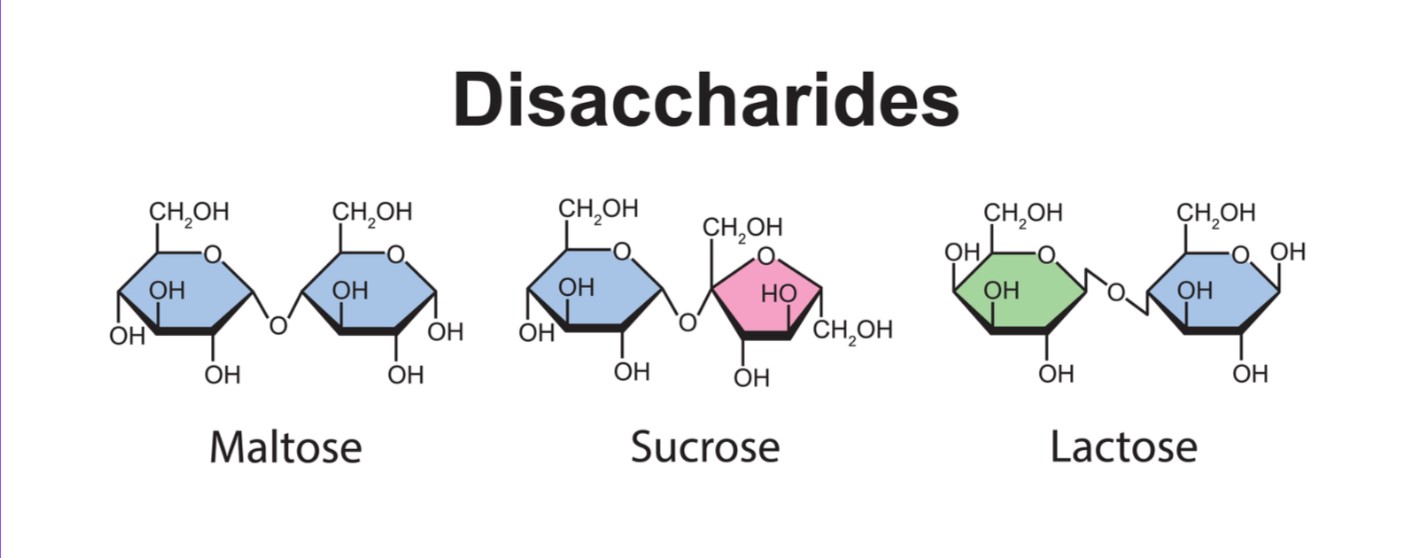
Two monosaccharides that are bonded together.
- Sucrose (table sugar) = glucose + fructose.
• Lactose (Milk sugar) = glucose + galactose.
• Maltose (often from malted grains) = glucose + glucose.
Common Label names: sucrose, maltose, raw sugar, cane sugar, evaporated cane juice.
3. Syrups (complex mixtures of mono- and disaccharides)
Syrups are highly processed and often rich in fructose.
- High-fructose corn syrup (HFCS) – typically 55% fructose, though independent tests show it can reach 65% in commercial beverages.
- Maple syrup, honey, agave, rice syrup, molasses – often marketed as “natural,” but metabolically similar to sugar.
Common label names: corn syrup, HFCS-55, HFCS-65, brown rice syrup, agave nectar, malt syrup.
Food manufacturers rely on linguistic camouflage. Sugar can appear on the labels in many forms, and some sound truly natural. Most of these forms are not different metabolically speaking. Fructose, often marketed as “fruit sugar,” follows a metabolic pathway that increases liver fat accumulation and uric acid production- both key contributors to metabolic disease.
Lustig’s work shows that added sugar is nearly absent only from true “Real Food” cooked at home. In ultra-processed foods, it is present everywhere, appearing in sauces, breads, ready meals, yogurts, and snacks, even where taste does not suggest sweetness.
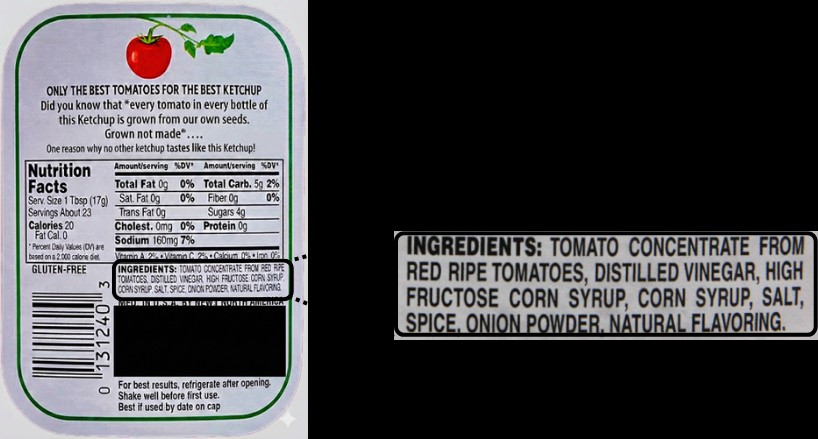
Ketchup is a classic example of a savory product that contains a surprisingly high amount of added sugar. While it is perceived as a tomato-based condiment, ketchup typically contains about 20–25% sugar by weight and sugar is one of the dominant ingredients, used to balance acidity, enhance flavor, and improve shelf stability.
A Practical Framework to Approach an Ingredient List
Rule 1: Look for all “-ose” endings. This is the simplest identification. Any ingredient ending in -ose is a type of sugar: glucose, fructose, dextrose, sucrose, galactose, maltose.
Rule 2: Identify syrups. Syrups often contain high fructose loads and should be treated as added sugars: HFCS, corn syrup, maple syrup, brown rice syrup, inverted sugar.
Rule 3: Be aware of “natural” and wholesome ingredients. Terms like agave, honey, fruit juice concentrate, date sugar, and coconut nectar often mislead consumers into believing these ingredients are healthier, even though, chemically, they are just sugar sweeteners. Agave syrup is often >70% fructose.
These practical tips put you in control, enabling more conscious and confident decisions about what goes into your body.
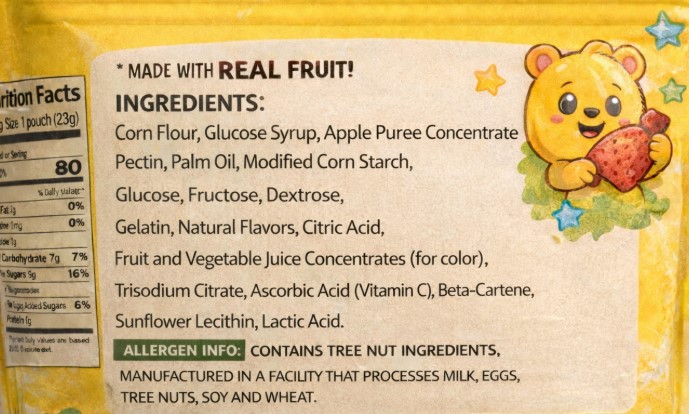
"Why Sugar Is Added- The Physiological and Commercial Logic
Lustig demonstrates that sugar is rarely added to foods by accident; rather, it is a deliberate and strategic tool used by the food industry. Sugar stimulates dopamine release and activates reward pathways, encouraging repeat purchasing and, in some cases, dependence-like behaviors observed in both animals and humans. It also serves to mask low-quality or nutritionally depleted ingredients, making highly processed foods more palatable despite their poor nutritional profile. Beyond sweetness, sugar plays an important functional role by improving texture, enhancing browning reactions, and extending shelf life through its bulking and preservative properties. Notably, sugar is also used to shape early taste preferences: added sugars in baby and toddler foods promote an early acceptance of sweetness, while savory flavors require repeated exposure, effectively influencing lifelong dietary habits from infancy.
Understanding how sugar hides in ingredient lists, is a form of empowerment. While nutrition often seems complex, reading labels through the lens of sugar gives us back the control to make informed and healthier choices.
These are all the key reasons and motivations for companies to add sugar: from its chemical properties to its addictive palatability. But what if there was a solution that could satisfy all these functional needs without the negative health impact, the insulin spikes, or the caloric burden?
This is where Amai Proteins is changing the game. By utilizing computational protein engineering, Amai has re-designed a sweet protein found in nature in serendipity berries, called Monellin.
While naturally occurring, sweet proteins are often unstable under the heat and pressure of food processing, Amai’s breakthrough ingredient, sweelin®, is different. Through precise molecular adjustments, we have created a protein that remains stable and functional, allowing it to be used in a variety of food applications ranging from sodas to chocolates and more.
As the world faces a global health crisis fueled by sugar overconsumption, the mission to provide healthier alternatives has become a public health imperative. With the recent FDA GRAS approval of sweelin®, the potential for this technology is moving from the lab to the supermarket shelves. Soon, consumers will see sweelin® appearing on ingredient lists, labelled as ‘Serendipity Berry Sweet Protein’ offering consumers a 21st-century solution for those seeking sweetness without the metabolic cost.
References
From Metabolical (Dr. Robert Lustig)
- Infant exposure to added sugars and hidden names of sugar (262 names) – metabolical-the-lure-and-the-li…
Additional Online Sources
(You may include these or I can format into academic style on request.)
1. USDA Added Sugars Definition and List of Names
2. WHO Guidelines on Free Sugar Intake
3. Scientific reviews on fructose metabolism and NAFLD
4. Studies analyzing hidden sugars in baby foods
5. Glycemic index research for monosaccharides and syrups